
Safe Digging Tips For Summer Utility Work
Summer's schedule pressure raises the odds on the hazard already underground. Here's how to keep crews and infrastructure intact through the busy season.
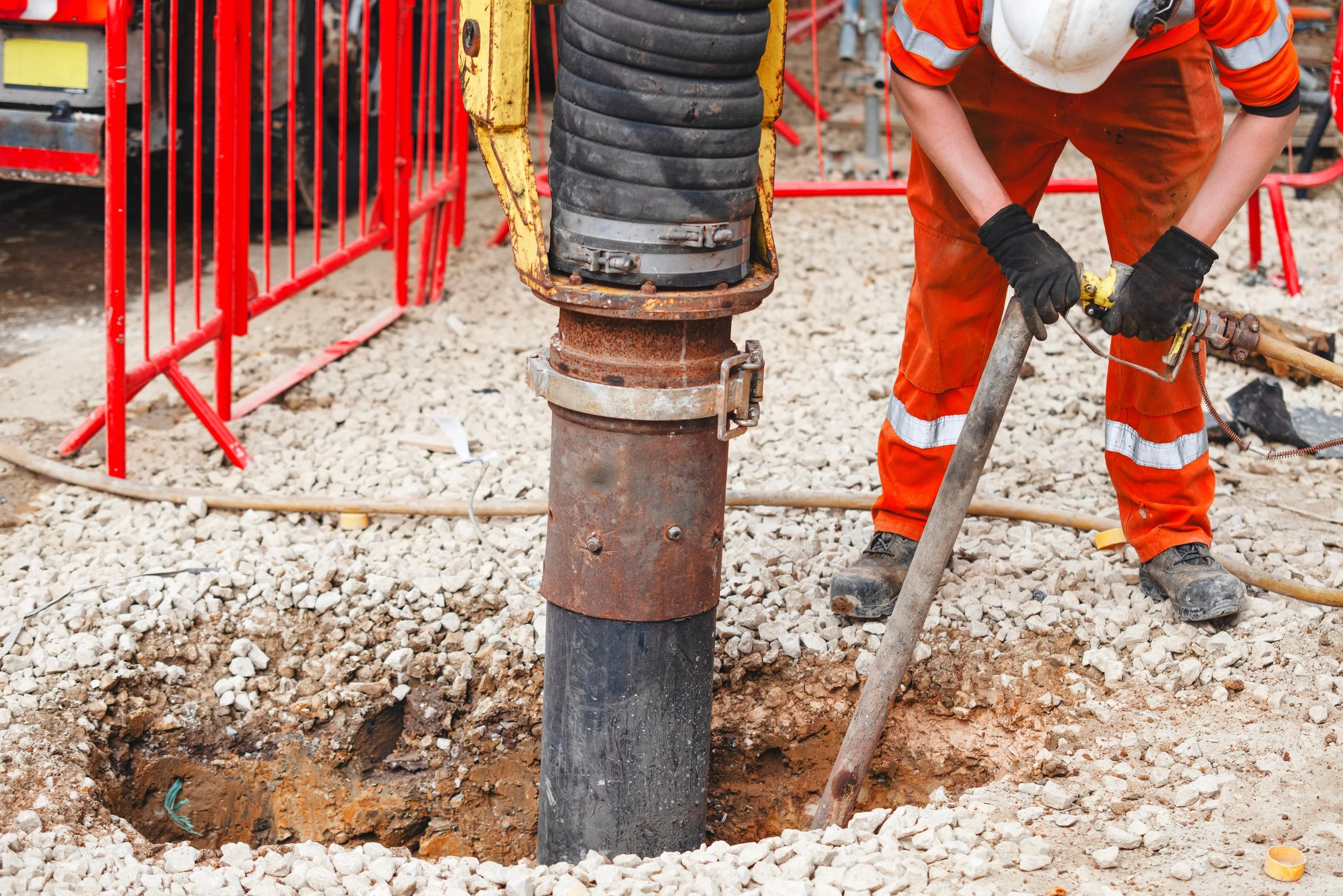
Summer is when the utility calendar gets crowded. Crews push to finish projects between storms and heat waves, and the pressure to stay productive rarely lets up. But the weather isn't the only thing working against a crew in July. Every summer dig carries the same underlying risk it does the rest of the year — the buried line nobody accounted for. Strike one, and the consequences stack up fast: an injured operator, a stalled project, damaged infrastructure, and a neighborhood cut off from service while the utility gets repaired.
The scale of that risk is documented. A Common Ground Alliance survey released in April 2025 found that 46% of Americans don't plan to contact 811 before digging — an estimated 27.2 million people heading into projects blind, most of them assuming their dig is too shallow to bother. CGA has long identified failure to notify 811 as the single biggest root cause of underground damage in the country, and professionals aren't exempt from the problem.
The good news is that safe digging in the summer isn't complicated — it's a matter of discipline applied consistently. Here's how to keep a crew and its infrastructure intact through the busy season.
- Make a plan.
Before a truck leaves the yard, think through what the ground is going to throw at the crew — water content, debris, soil type. Plan for the range of conditions you might hit rather than the one you expect, because a crew prepared to adapt isn't just safer, it's faster. The time you don't spend improvising a fix on site is time back on the schedule.
- Call 811 — every time.
Contacting 811 tells you where the underground lines run, and it's free. Submit the request by phone or online and the utility companies come out to mark the site. Given that CGA traces more damage to skipped 811 notifications than to any other single cause, this is the cheapest insurance a crew has. The “it's just a shallow dig” reasoning that shows up in the survey data is exactly the reasoning that gets lines struck. Make the call a non-negotiable step, not a judgment call.
- Expose before you commit.
The reason GTI points to vacuum excavation as a best practice is that it lets a crew uncover and visually confirm a utility before any heavy digging begins. Locate marks tell you roughly where a line is; potholing with a vacuum excavator tells you exactly. Use that capability. Verifying depth and position by exposing the line — rather than trusting the paint and swinging a bucket — is the whole point of digging soft first.
- Respect the pressure and temperature limits.
This is where specifications matter more than instinct. GTI's “Vacuum Excavation Best Practice & Guideline” states that if heated water is used during excavation, the water temperature and pressure shouldn't exceed 115 degrees F and 2,500 psi. The ceiling rises to 3,000 psi for a rotating nozzle versus a straight tip. Those aren't arbitrary numbers — they're the thresholds that keep a high-pressure stream from cutting into the very utility you're trying to expose. Know which figure applies to the nozzle you're running, and stay under it.
- Keep the nozzle moving, and keep your distance.
GTI recommends keeping at least 8 inches between the end of the nozzle and the underground facility or subsoil, and the nozzle should never be inserted into the subsoil while excavating inside the tolerance zone. Just as important: the pressurized air or water wand should never sit motionless. A stationary stream concentrates its energy in one spot, which is how a line that survived the first pass gets nicked on the second. Keep it moving, keep it back, and never aim directly at the facility.
- Suit up regardless of the heat.
Vacuum excavation reduces the need for manual digging, and that's a genuine safety gain — fewer shovels in the ground means fewer chances to strike a line. But it doesn't cancel the PPE requirement. In summer, the temptation to shed gear climbs with the temperature, and that's precisely when a crew talks itself out of the protection it needs. Proper PPE stays on regardless of site conditions or how hot the cab gets. The protocol doesn't get a summer exemption.
- Keep the truck maintained through the dusty months.
Summer conditions are hard on a hydrovac unit. Debris accumulates on the tank over the season and becomes stubborn to remove, and dry, sandy soil produces the worst buildup of all. Left unchecked, that buildup shortens the life of the machine and pulls it off the job for unplanned service in the middle of your busiest stretch. Store vehicles in dry environments where you can, and stay on top of routine maintenance rather than waiting for a problem to force the issue.
Summer doesn't introduce novel hazards so much as it raises the odds on the ones already there — more jobs, more heat, more schedule pressure, more temptation to cut corners. As digging volume climbs through the season, calling 811 and holding to safe excavation practices is what keeps a crew's productivity from coming at the cost of its safety, or the community's service.
The AARCOMM Advantage
At Aarcomm, we build the wireless remote controls that let operators run heavy equipment from outside the immediate hazard zone — keeping a steady hand on the dig while putting distance between the operator and the danger zone. Paired with the practices above, they help crews work safely and more efficiently.
LEARN MORE CONTACT US